-
Phone: (405) 360-4477
-
Address: 3334 West Main #246 , Norman, OK 73072
-
Phone: (405) 360-4477
-
Address: 3334 West Main #246 , Norman, OK 73072
Why Does My Oven Take So Long to Preheat?
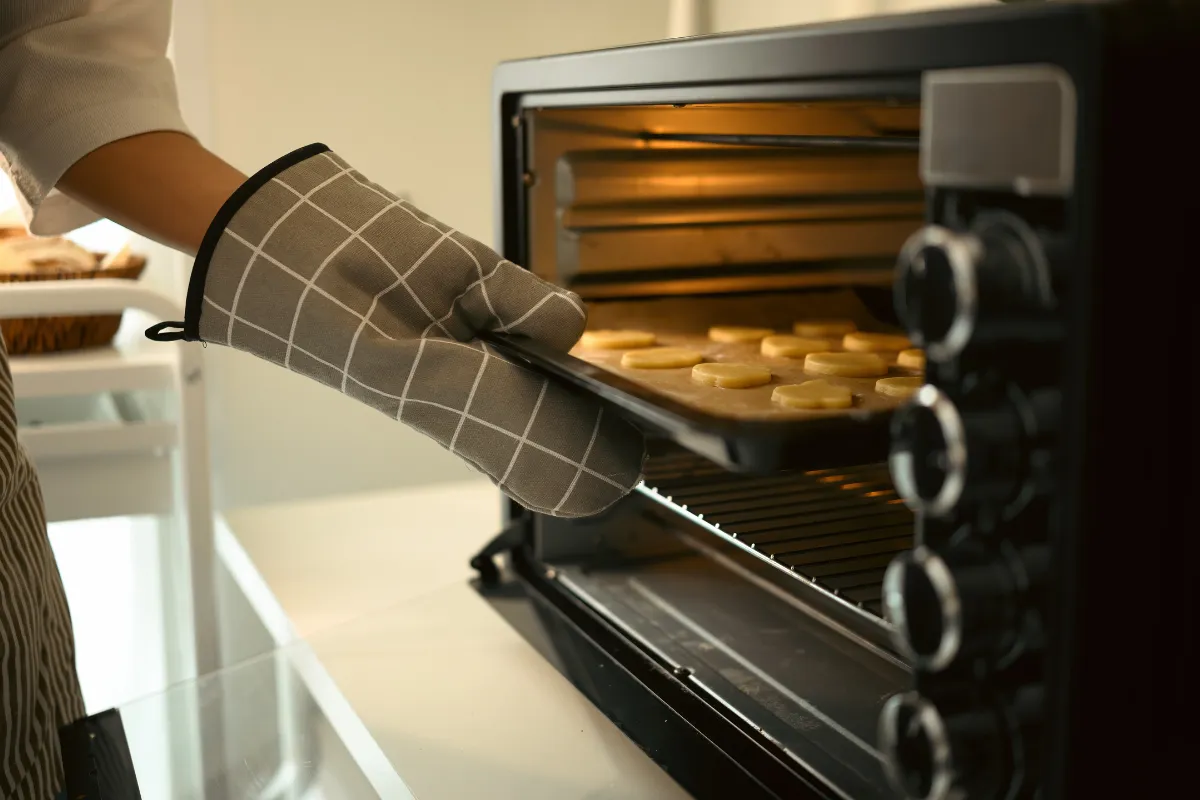
You’ve got dinner ready to go. The casserole is assembled, the cookies are waiting on the baking sheet, or the frozen pizza has been freed from its cardboard prison. You turn the oven to 350°F and wait for the familiar preheat beep.
And wait.
And wait some more.
An oven that takes forever to preheat doesn’t necessarily mean it’s about to die. Sometimes the explanation is quite simple in nature.
But when your normal 15-minute preheat starts stretching toward 30 minutes or the oven struggles to reach temperature at all, something deserves your attention.
Here’s how to tell whether your slow oven is behaving normally or asking for a repair.
How Long Should an Oven Take to Preheat?
There’s no universal preheat time because oven size, design, fuel type, and temperature all make a difference. Still, you need a baseline. An oven generally takes 12-15 minutes to reach 350°F.
Some ovens legitimately need more time. Models with hidden bake elements, for example, may take around 20 minutes to reach 350°F because the element sits beneath the oven floor rather than being exposed inside the cavity.
Pay attention to changes in your oven in particular. If it has always taken 18 minutes, that may simply be normal for the model. If it used to take 12 and suddenly needs 25, you have a much better reason to investigate.
Why Is My Oven Taking So Long to Preheat?
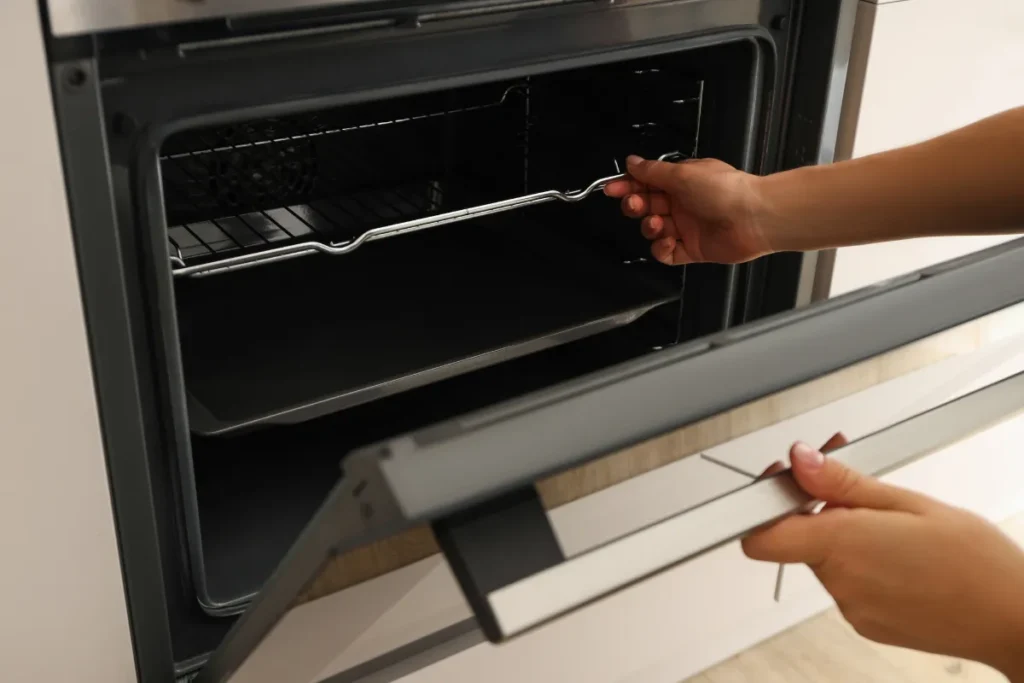
Your oven has one job during preheating: generate enough heat to bring the entire cavity to your selected temperature. Anything that interferes with heat production, temperature sensing, or heat retention can slow that process.
The culprit could be as minor as opening the door too often or as significant as a failing heating component.
Opening the Oven Door Slows Down Preheating
It’s tempting to peek inside, particularly when you’re already wondering why the oven is taking so long.
Resist the urge. Opening the door releases hot air and forces the oven to recover the lost heat. Some models even temporarily turn their heating elements off when the door is open.
Use the oven light and display instead, and keep the door closed until the preheat signal sounds.
Extra Oven Racks Can Increase Preheat Time
Take a look inside your oven. Are you storing three racks in there even though tonight’s dinner only needs one?
Every rack is additional metal the oven has to heat. This is why many oven manufacturers recommend removing unused oven racks before preheating; additional racks can increase the amount of time needed to reach the right temperature.
Don’t obsess over shaving seconds from every preheat, but this step is an easy experiment if your oven seems sluggish.
A Failing Heating Element Can Make an Electric Oven Preheat Slowly
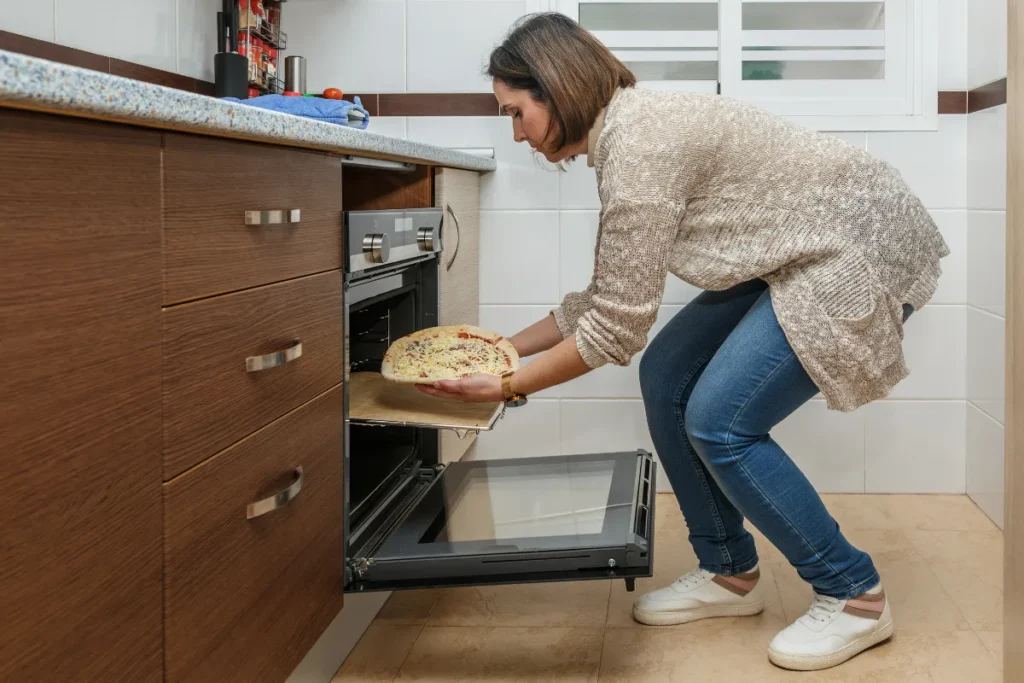
If your electric oven suddenly takes much longer to preheat, the bake or broil element deserves attention.
Many electric ovens use more than one heating element during preheating to raise the temperature quickly. If one fails, the oven may still get hot enough that it seems functional; it just takes considerably longer to get there.
You may notice other clues, including unevenly cooked food, an element that doesn’t glow when it should, inconsistent temperatures, or food taking longer to bake.
A visibly blistered, cracked, or damaged element is another obvious warning sign. Turn the oven off and schedule a repair rather than continuing to use a damaged component.
A Gas Oven May Have a Weak or Failing Igniter
Gas ovens have their own version of the “it works, but something’s wrong” problem. A weakening igniter may take longer to ignite the burner, delaying the entire heating process. Eventually, it can fail completely.
You might hear repeated clicking, notice unusually long delays before the burner lights, or find that the oven struggles to maintain temperature after it finally heats up.
Gas appliance problems aren’t a good place for trial-and-error DIY repairs. If you smell gas, turn the appliance off, leave the area, and follow your gas utility’s emergency guidance.
A Faulty Temperature Sensor Can Confuse Your Oven
Your oven needs to know how hot it is before it can decide when to turn the heating elements on and off. That information typically comes from a temperature sensor.
If the sensor is malfunctioning, the oven may receive inaccurate temperature readings. The result can be slow preheating, inconsistent temperatures, undercooked food, or an oven that seems to have a mind of its own.
There’s an important distinction here: an oven that consistently cooks a little hotter or colder than expected may simply need calibration. An oven that has become dramatically slower or increasingly inconsistent may have a component problem requiring diagnosis.
Does Setting the Oven Higher Make It Preheat Faster?
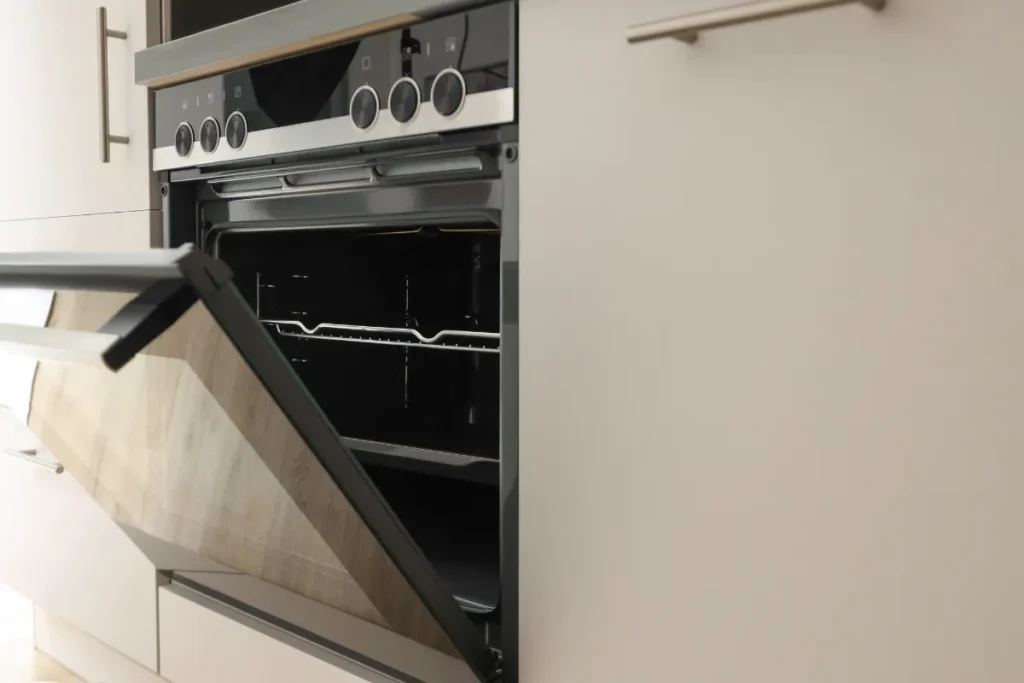
Unfortunately, setting your 350°F oven to 450°F in hopes of getting there faster isn’t a useful shortcut.
Your oven is already working to reach the temperature you selected. Setting it higher can simply leave you with an overheated oven that you then have to cool down.
GE specifically advises setting the oven to the correct cooking temperature rather than selecting a higher temperature in an attempt to shorten preheat time. The message you should take away from this? Give the oven the temperature you want and let it do its job.
When Does a Slow-Preheating Oven Need Repair?
One unusually long preheat isn’t enough to condemn your oven. A consistent change in performance is more telling.
Pay attention if your oven suddenly takes much longer than it used to, never reaches the selected temperature, cooks food unevenly, produces error codes, repeatedly loses heat, or has trouble igniting.
Those symptoms can point to heating elements, igniters, sensors, thermostats, control boards, electrical connections, or other components that require proper testing.
If dinner prep now involves wondering whether your oven will be ready before everyone loses patience and orders takeout, it’s worth getting the problem checked.
The technicians at Norman Appliance Repair can diagnose the reason your oven is heating slowly and determine whether a repair can get it back up to speed.
After all, a working oven shouldn’t make preheating feel like the longest part of the recipe.