
-
Phone: (405) 360-4477
-
Address: 3334 West Main #246 , Norman, OK 73072
-
Phone: (405) 360-4477
-
Address: 3334 West Main #246 , Norman, OK 73072
How to Protect Your Appliances After a Power Outage
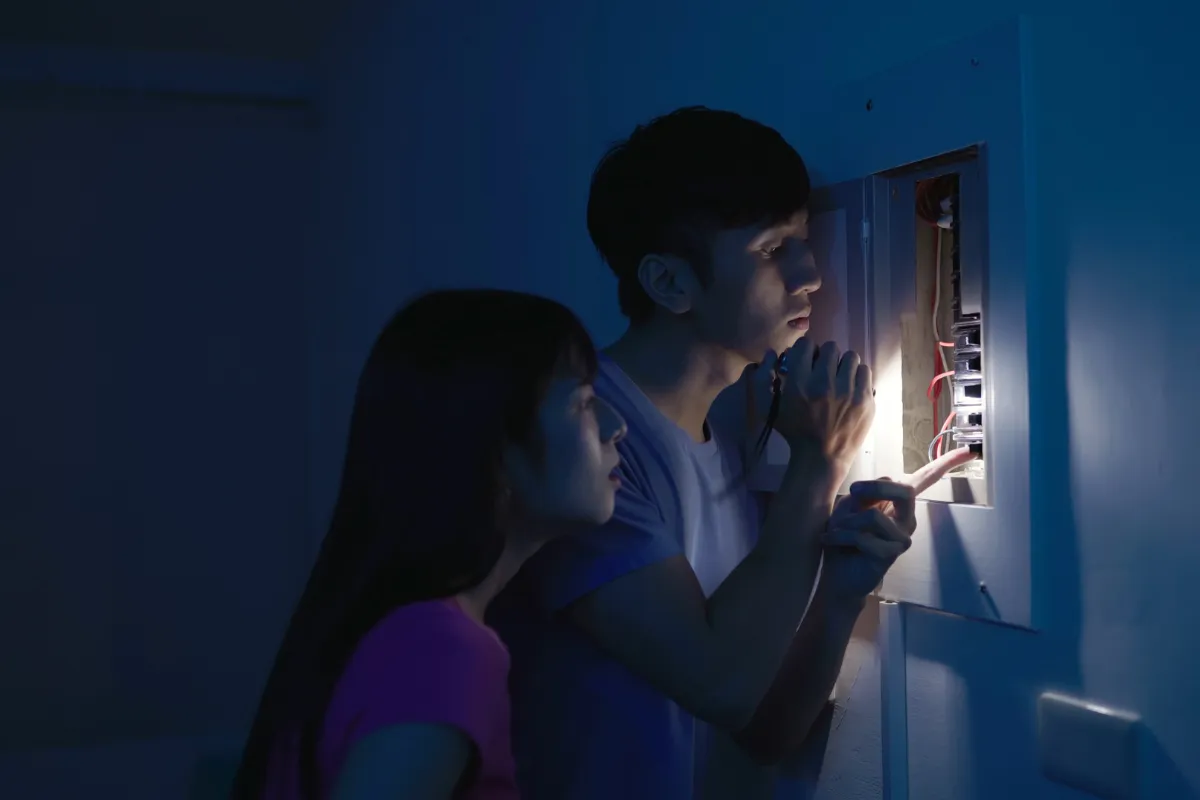
In Oklahoma, power outages are simply part of life.
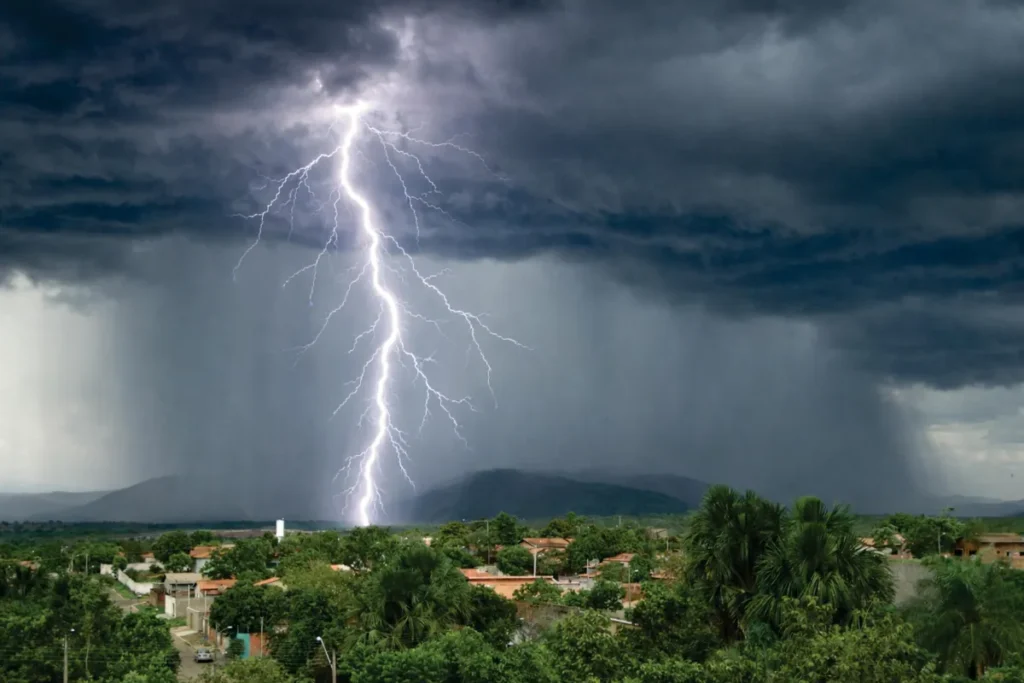
Whether it’s severe thunderstorms, tornadoes, high winds, or ice storms, Norman homeowners know the lights can go out with very little warning.
While most people worry about spoiled food or staying cool, there’s another concern that’s easy to overlook: what happens to your appliances when the power comes back on.
Believe it or not, the outage itself often isn’t what damages appliances. It’s the sudden surge of electricity when power is restored.
That’s the bad news. The good news is that a few simple steps can help protect your refrigerator, washing machine, dishwasher, and other major appliances from unnecessary damage.
Unplug Sensitive Appliances if You Can
If you know a severe storm is approaching and it’s safe to do so, unplug electronics and smaller household appliances before the power goes out. Microwaves, countertop appliances, televisions, and computers are especially vulnerable to voltage spikes.
For larger appliances like refrigerators or washing machines, unplugging isn’t always practical. If you can’t safely reach the outlet, don’t worry about it. Your safety always comes first.
Instead, focus on turning the appliance off if possible and consider installing whole-home surge protection in the future.
Leave One Light On
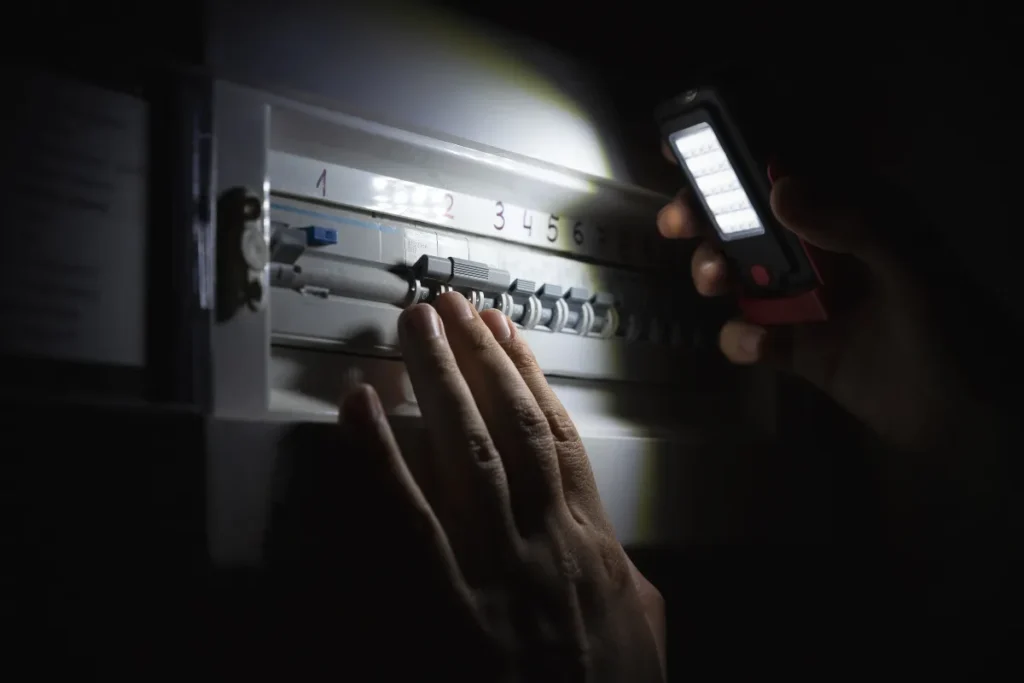
One of the simplest tricks during an outage is leaving a single lamp switched on. When that light comes back, you’ll know power has been restored. This gives you a chance to walk through the house before every appliance suddenly starts running at once.
Large appliances draw a significant amount of electricity when they first start. Giving them a few extra minutes before turning everything back on can reduce strain on both your home’s electrical system and the appliances themselves.
Give Your Air Conditioner a Few Minutes
Although not technically an appliance repair issue, your HVAC system deserves special attention after an outage.
Air conditioners don’t like being restarted immediately after losing power. Many newer systems include a built-in delay to protect the compressor, but older units may not.
If your thermostat immediately starts calling for cooling once electricity returns, consider waiting several minutes before restarting the system if your equipment allows.
Keep the Refrigerator Door Closed
If the outage is still happening, resist the temptation to check on your food every few minutes. Every time you open the refrigerator or freezer, cold air escapes and warm Oklahoma air rushes inside.
A closed refrigerator will usually keep food cold for about four hours. A full freezer can often maintain safe temperatures for up to 48 hours if the door stays shut.
Once power returns, check that the refrigerator begins cooling normally before restocking it or adjusting temperature settings.
Watch for Warning Signs After Power Returns
Sometimes an appliance appears to be working normally after an outage, only for hidden damage to show up later. Pay attention to changes like:
- Your refrigerator isn’t cooling properly.
- The freezer starts thawing food.
- Your dishwasher won’t start.
- The washing machine displays unusual error codes.
- Your microwave suddenly loses power.
- Appliances begin making new buzzing, humming, or clicking noises.
These symptoms may indicate electrical components were damaged during the outage or by a power surge afterward.
Avoid Overloading Your Electrical System
Once the electricity comes back, it’s tempting to start everything at once.
The dishwasher gets restarted, the washing machine finishes its load, and the oven starts preheating.
Resist the urge.
Giving major appliances a few minutes between restarts helps reduce demand on your home’s electrical system and may prevent breakers from tripping again.
Consider Surge Protection
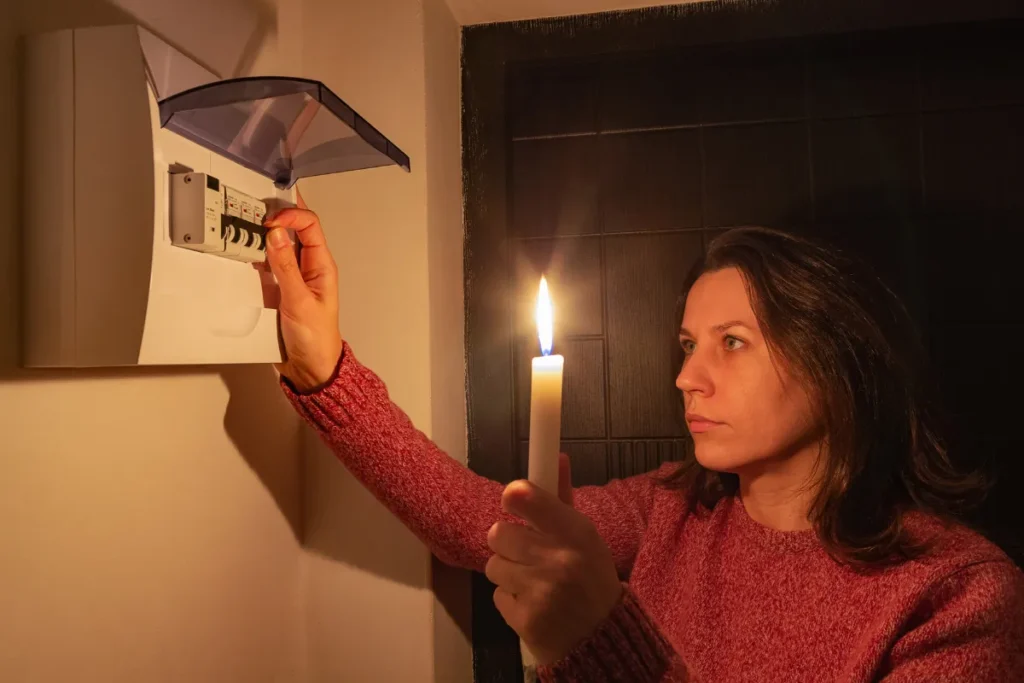
Many homeowners think surge protectors are only useful for computers and televisions. In reality, modern household appliances contain sensitive electronic control boards that can also be damaged by voltage spikes.
Whole-home surge protectors, installed by a qualified electrician, help shield major appliances from unexpected surges during storms and power restoration.
While no system can guarantee complete protection from every electrical event, surge protection is often far less expensive than replacing a refrigerator control board or electronic oven display.
Know When to Call for Appliance Repair
Sometimes power outages expose problems that were already developing. A refrigerator compressor that’s beginning to fail, for example, may stop working after the power cycles. Or a dishwasher control board with an existing weak connection might never restart.
If an appliance won’t turn back on, trips the breaker repeatedly, displays persistent error codes, or simply doesn’t operate the way it did before the outage, it’s time for a professional inspection.
Don’t DIY this one. Trying to repeatedly restart a malfunctioning appliance can sometimes cause additional damage.
Protect Your Home Before the Next Storm
Power outages are unpredictable, but appliance damage doesn’t have to be. By keeping refrigerator doors closed, avoiding unnecessary restarts, watching for unusual warning signs, and investing in surge protection, you can help extend the life of your household appliances after severe Oklahoma weather.
If one of your appliances isn’t working properly after a power outage, don’t assume it will fix itself.
At Norman Appliance Repair, we provide fast, dependable appliance repair throughout Norman and the surrounding communities. Our experienced technicians can quickly diagnose electrical and mechanical issues caused by outages and get your appliances back to working the way they should.
Contact Norman Appliance Repair today to schedule your service and keep a temporary outage from turning into a costly appliance replacement.