-
Phone: (405) 360-4477
-
Address: 3334 West Main #246 , Norman, OK 73072
-
Phone: (405) 360-4477
-
Address: 3334 West Main #246 , Norman, OK 73072
Refrigerator Water Line Repair: What You Need to Know

You walk into your kitchen for a midnight glass of water. Then, as you take a step toward the fridge, your socks soak up a massive, freezing puddle on the floor. You grab a stack of towels, pull the appliance away from the wall, and stare at a tangled mess of dripping plastic tubing.
Yikes.
A working ice maker and water dispenser add incredible convenience to your daily routine. You probably use them a dozen times a day without a second thought. When things go wrong behind the fridge, that convenience quickly turns into a splitting headache. A damaged water line can destroy your flooring, ruin your baseboards, and cause a major spike in your utility bills.
A refrigerator water line repair is likely in order, but first, you need to understand what causes these leaks. This will save you time, money, and plenty of stress.
Recognizing the Early Warning Signs
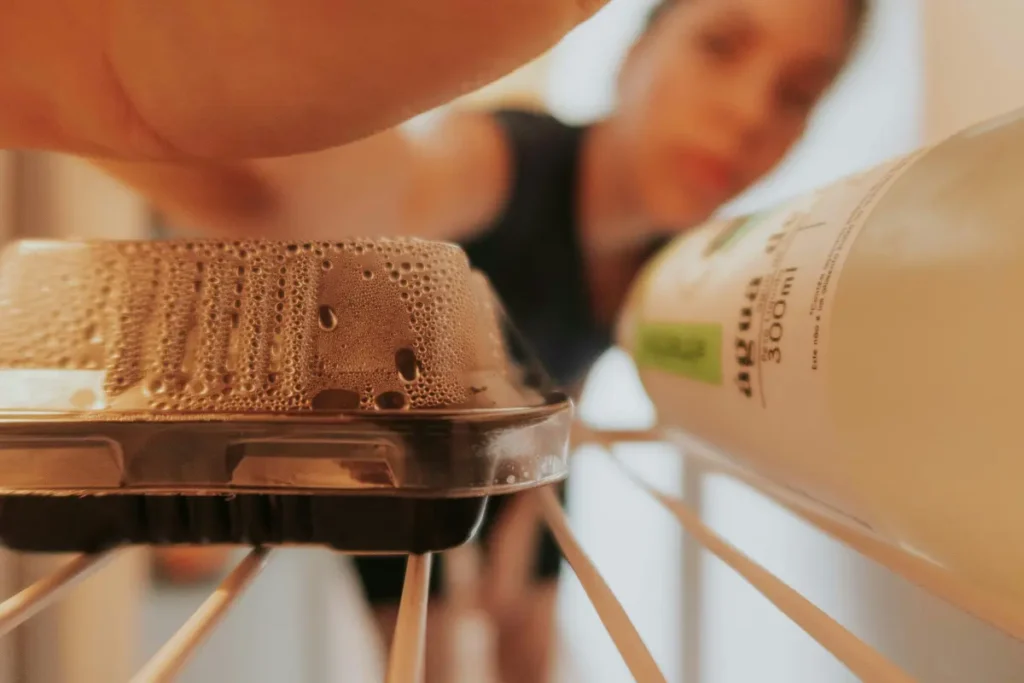
Sometimes a water line completely detaches and floods your kitchen in minutes. But most of the time, the warning signs start much smaller. If you know what to look for, you can catch a failing line long before you need a wet vacuum and new hardwood floors.
Pay close attention to your ice maker. If your ice cubes suddenly look smaller than usual, or if they come out hollow and fragile, you likely have a water flow issue. A crimped or partially blocked line restricts the amount of water reaching the ice mold. You might also notice a drop in water pressure at the door dispenser. Similarly, if filling a standard drinking glass suddenly takes a full minute, your water line needs immediate attention.
Keep an eye out for hidden moisture, too, as a slow drip behind the fridge might not reach the front of the appliance for weeks, and catching a slow drip early on makes a refrigerator water line repair so much simpler. If you notice warped baseboards near your kitchen walls, or if a damp, musty smell suddenly takes over the room, pull the fridge forward and inspect the connections.
Why Your Water Line Fails
Refrigerator water lines take a beating, and can endure a surprising amount of stress. Most modern refrigerators use flexible plastic tubing to connect the household water supply to the appliance. Over time, that plastic becomes brittle and prone to cracking. Every time you roll the fridge forward to clean the floor, you risk pinching or stretching that line.
Mineral buildup causes major problems, too. If you live in an area with hard water, calcium and magnesium deposits slowly coat the inside of the tubing. This narrows the passage, increases water pressure inside the tube, and eventually forces a blowout at the weakest connection point.
The connection valves themselves also degrade. The small compression nuts holding the line in place can vibrate loose over years of the refrigerator compressor turning on and off. A loose nut creates a tiny gap, allowing a steady, silent drip to escape and pool behind the appliance.
The True Cost of Ignoring the Problem
Ignoring a minor leak might seem easy, especially if you rarely pull your fridge away from the wall. But doing so carries substantial risks, since a dripping water line causes severe damage much faster than you might expect.
For those among us who are more eco-conscious, it’s worth noting that water waste adds up rapidly. The Environmental Protection Agency reports that household leaks waste nearly 900 billion gallons of water nationwide annually. A single dripping line behind your fridge contributes directly to an inflated water bill month after month.
The property damage costs hurt even more. Constant moisture completely destroys drywall, warps expensive hardwood planks, and rots the subfloor beneath your kitchen. The average water damage claim easily exceeds $12,000. Replacing a simple piece of tubing, on the other hand, costs pennies compared to completely tearing out and rebuilding your kitchen floor.
Mold growth presents a serious health risk as well. Dark, warm, and damp areas provide the perfect breeding ground for toxic mold spores. By the time you spot dark spots creeping up your kitchen wall, the mold has likely spread deep inside the drywall cavity.
DIY Pitfalls and Knowing When to Call for Help
If you consider yourself handy around the house, you might think about tackling a refrigerator water line repair on your own. So off you go to the local hardware store to buy a universal replacement kit. You watch a few online tutorials.
While replacing a line may sound straightforward, even a tiny mistake can lead to disastrous results. If you over-tighten the compression nuts on the new line, you’ll crack the plastic valve on the back of the fridge. If you under-tighten them, you just created a brand new leak. Rerouting the line incorrectly usually results in a crimped hose the very next time you push the fridge back into place.
You also have to consider the water supply valve itself. Many homes use saddle valves to connect the fridge line to the main plumbing. These valves are notorious for failing, seizing up, or leaking when adjusted. If you break the supply valve while trying to fix the fridge line, you will have to shut off the water to your entire house.
Simple Maintenance to Extend Appliance Life
You can prevent many water line emergencies with a few basic maintenance habits. Taking a proactive approach keeps your appliance running smoothly and keeps your kitchen perfectly dry.
Here are four simple ways to protect your investment:
- Leave at least two inches of space between the back of the fridge and the wall to prevent the line from kinking.
- Inspect the line every six months for discoloration, hard spots, or tiny cracks.
- Swap out plastic tubing for a braided stainless steel water line, which resists cracking and bursts.
- Change your refrigerator water filter on schedule to prevent internal pressure buildup.
Let the Professionals Handle the Hassle
You have better things to do than spend your weekend wedged behind a heavy appliance, wrestling with tiny plastic tubes and leaking valves. When your ice maker quits or a puddle appears on your floor, you need a reliable solution right away.
Norman Appliance Repair handles all types of refrigerator water line repairs quickly and correctly. We carry the highest quality replacement parts, including durable braided steel lines and heavy-duty connection valves. We know exactly how to diagnose the root cause of the leak, whether you have a simple cracked tube or a failing inlet valve hidden deep inside the appliance casing.
You deserve to rest easy, knowing that your kitchen is safe from surprise floods. Let us take care of the dirty work so you can get back to enjoying cold water and perfectly formed ice cubes. Contact Norman Appliance Repair today to schedule your service!