-
Phone: (405) 360-4477
-
Address: 3334 West Main #246 , Norman, OK 73072
-
Phone: (405) 360-4477
-
Address: 3334 West Main #246 , Norman, OK 73072
Why is My Dishwasher Making a Grinding Noise?
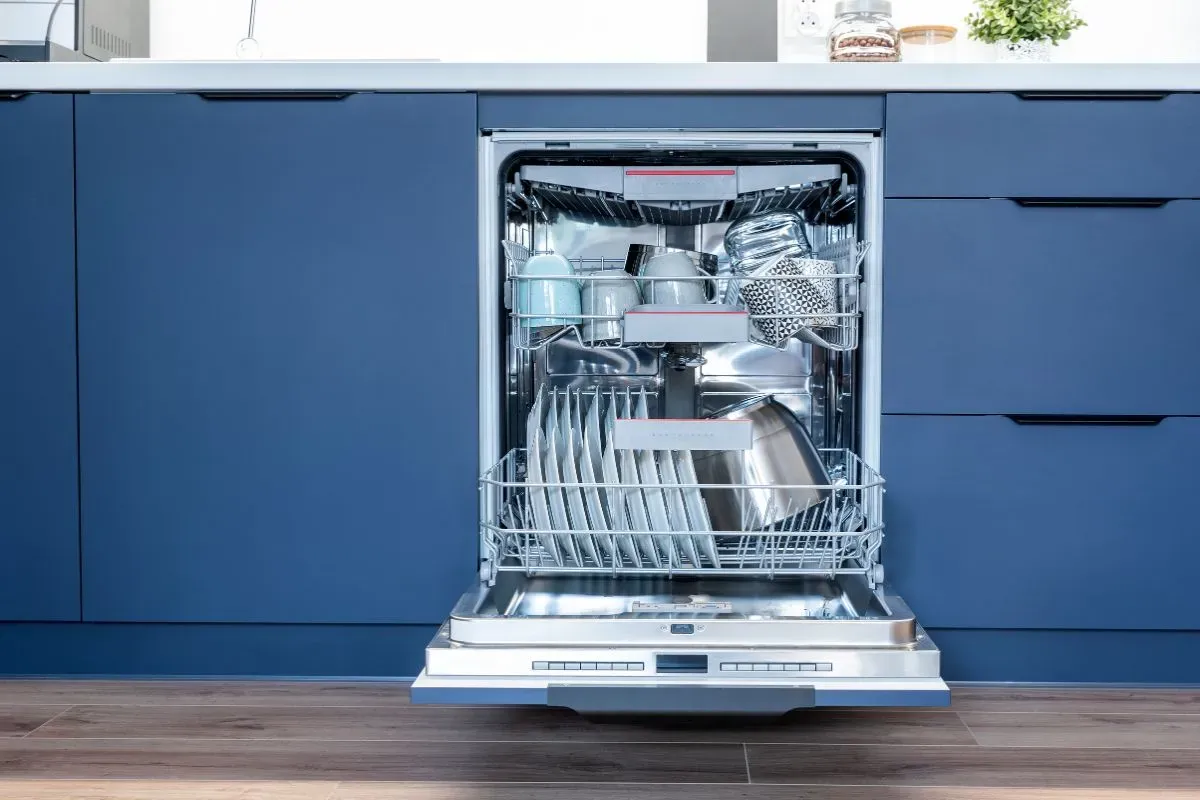
Your dishwasher is supposed to make dinner cleanup easier. It’s not supposed to sound like somebody dropped a handful of gravel into the bottom of it.
A grinding noise can be unsettling, especially if your dishwasher is still technically running. Sometimes the cause is minor, like a piece of food or broken glass caught where it shouldn’t be. Other times, grinding points to a worn pump, motor problem, or another component that needs professional attention.
The sound itself can give you some clues. Here’s what may be causing that grinding noise and what Norman homeowners should check before the problem gets worse.
Start With the Simplest Possibility: Debris
Before assuming your dishwasher needs a major repair, check for debris around the bottom of the tub. Small objects can fall through the racks and end up near the filter, spray arm, or pump area. Common culprits include:
- Broken glass
- Popcorn kernels
- Small bones
- Pieces of plastic
- Fruit pits
- Bits of packaging
- Loose utensils
Once the dishwasher starts circulating water, those objects can rattle, scrape, or grind against moving parts.
Turn the dishwasher off and let everything cool before inspecting the bottom of the tub. Remove the lower rack and check around the filter and spray arm for anything obvious. If you find a small piece of debris and the noise disappears after removing it, you may have gotten lucky.
The Spray Arm Could Be Hitting Something
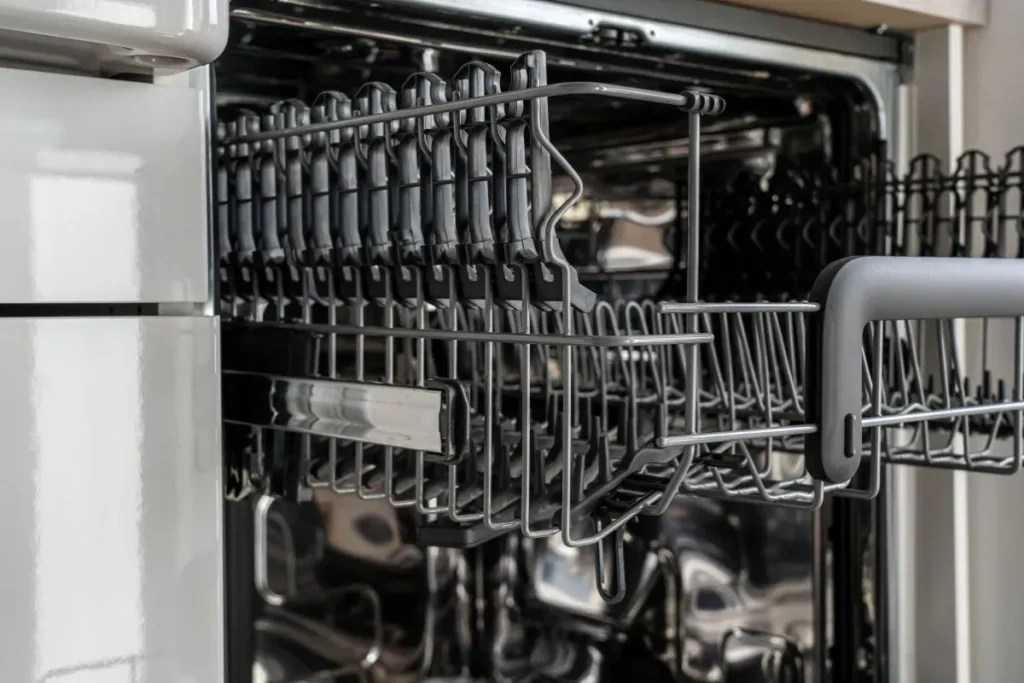
Dishwasher spray arms rotate while the machine runs, sending water across the dishes from different angles.
If a tall plate, pan handle, utensil, or poorly positioned item sticks down too far, the spray arm can hit it repeatedly. That noise can sound like grinding, clicking, or knocking.
Spin the spray arm by hand before starting the dishwasher and make sure it moves freely. Then check that nothing in the racks hangs into its path.
If the noise only happens when the dishwasher is heavily loaded, the problem may be how the dishes are arranged rather than anything mechanical. That’s a much better outcome than replacing a pump because a spatula got ambitious.
A Dirty or Damaged Filter Can Cause Noise
Your dishwasher filter catches food particles before they reach the pump and drain system. Over time, that filter can become clogged with grease, food debris, labels, and other material. If debris gets past it, the pump can start making unpleasant sounds.
Remove and clean the filter according to the manufacturer’s instructions.
While you’re there, inspect it for cracks or damage. A broken filter may allow larger pieces of debris to reach components that weren’t designed to chew through last night’s dinner. If cleaning the filter improves the sound, keep an eye on it over the next several cycles.
The Drain Pump May Be Grinding
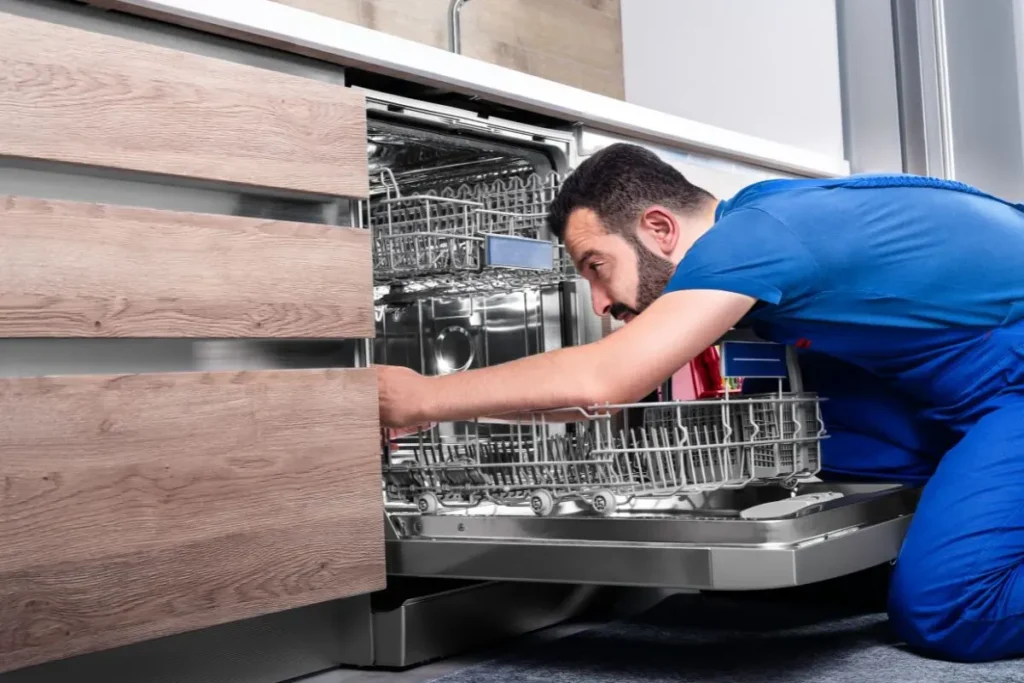
The drain pump removes dirty water from the dishwasher at the end of the wash cycle.
If you hear grinding primarily when the dishwasher is draining, the pump deserves some suspicion. Debris can sometimes get lodged inside the pump housing. In other cases, the pump itself may be wearing out.
Pay attention to what happens along with the noise. A failing drain pump may also cause:
- Water left in the bottom of the dishwasher
- Slow draining
- Humming during the drain cycle
- Gurgling noises
- Error codes
- Cycles that stop unexpectedly
If the dishwasher is grinding and leaving standing water behind, you’re probably dealing with more than a harmless noise.
The Circulation Pump or Motor May Be Wearing Out
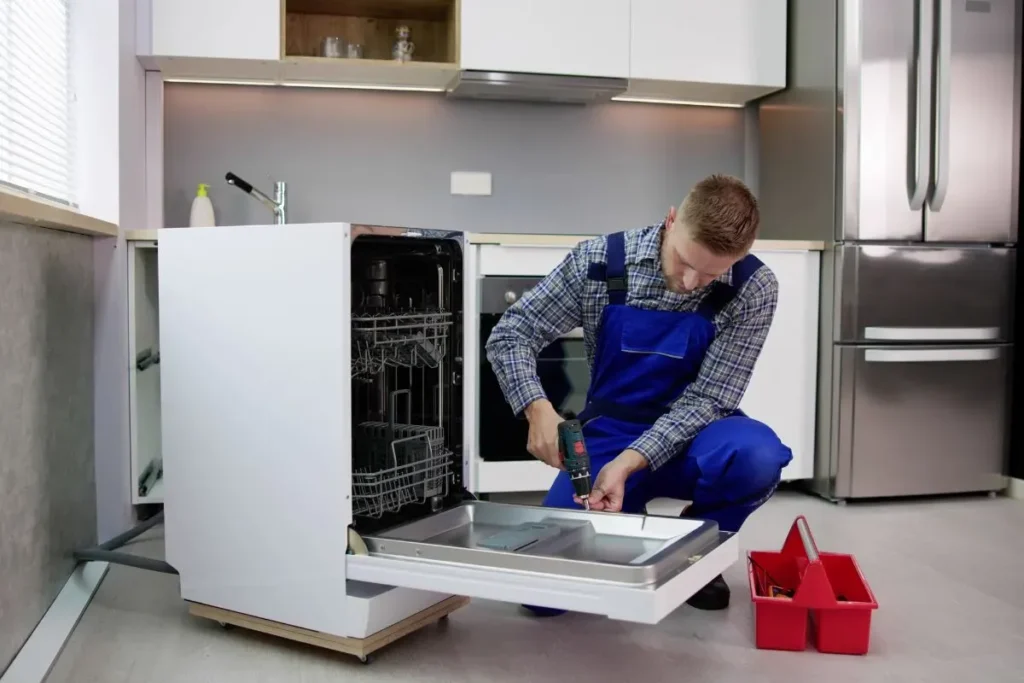
The circulation pump moves water through the spray arms during the wash cycle.
When bearings or other internal motor components begin to wear, you may hear grinding, buzzing, squealing, or rumbling while the dishwasher is actively washing. This type of noise usually won’t disappear after rearranging the dishes or cleaning the filter.
You may also notice weaker cleaning performance because the dishwasher isn’t circulating water with the same pressure it once did.
If plates are coming out dirty while the dishwasher sounds increasingly unhappy, the circulation system may need professional testing. Replacing motors and pumps generally requires more disassembly than most homeowners want to tackle on a Saturday afternoon.
Is Some Dishwasher Grinding Normal?
Occasionally, yes. Some newer dishwashers use food grinders or hard-food disposers that break down small particles during the cycle. Those systems can make brief grinding sounds during normal operation.
Older models can also make more mechanical noise than newer, quieter machines.
The important question is whether the sound is new. If your dishwasher has always made the same brief grinding noise at the same point in every cycle, it may simply be part of normal operation. If it suddenly starts making a louder, harsher, or more frequent grinding sound, something has probably changed. That’s when it’s worth investigating.
Should You Keep Running a Dishwasher That’s Grinding?
That depends on the severity of the noise.
If you discover a spoon blocking the spray arm or a piece of food near the filter, fixing the obvious problem may be enough. But if the grinding continues after basic checks, don’t keep running cycle after cycle hoping it will magically sort itself out.
A foreign object can damage a pump. A struggling motor can fail completely. A damaged component can also create drainage or circulation problems that eventually leave you with a dishwasher full of dirty water.
Stop using the dishwasher if the grinding becomes severe, you smell burning, water starts leaking, or the machine stops draining properly. Those symptoms warrant professional attention.
When Should You Call for Dishwasher Repair in Norman?
Start with the things you can safely see.
Check the spray arms, look for loose objects, and clean the filter. Pay attention to whether the noise happens during washing, draining, or throughout the entire cycle.
That timing can help narrow down the cause. If the grinding continues after those basic checks, or the dishwasher is also struggling to clean or drain properly, it’s time for a technician to take a closer look.
A professional can test the drain pump, circulation pump, motor, and other internal components to identify the actual problem instead of replacing parts by guesswork.
Get That Grinding Noise Checked Before It Gets Worse
Your dishwasher doesn’t need to be silent, but it also shouldn’t sound like it’s processing a handful of rocks.
If you’re hearing a new grinding noise, start with simple causes like loading, debris, and the filter. If the sound continues, there may be a problem with the pump or motor that needs professional repair.
Norman Appliance Repair provides dishwasher repair throughout Norman and can help diagnose the source of unusual noises, drainage problems, and other common dishwasher issues.
Contact Norman Appliance Repair to schedule service and get your dishwasher back to cleaning dishes without providing its own soundtrack.