-
Phone: (405) 360-4477
-
Address: 3334 West Main #246 , Norman, OK 73072
-
Phone: (405) 360-4477
-
Address: 3334 West Main #246 , Norman, OK 73072
DIY Garbage Disposal Repair vs. When to Call a Professional
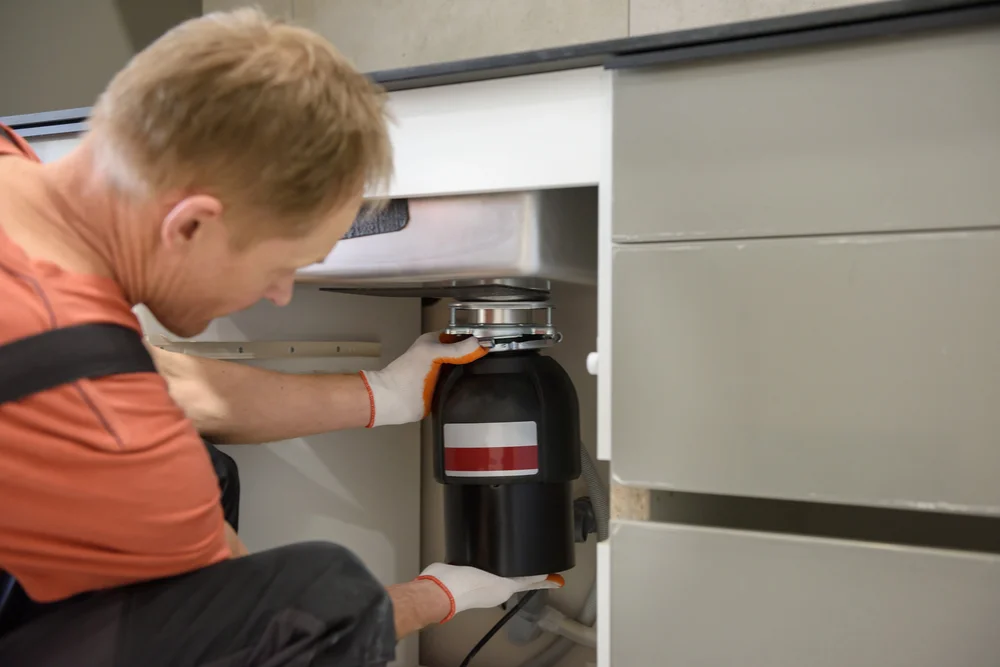
Your kitchen sink just growled at you, and now the water won’t drain. Ouch.
It’s a specific kind of panic when you flip the switch and hear a hum, a grind, or absolutely nothing at all. You’re likely staring at a pool of murky dishwater wondering if you need a plumber for garbage disposal repair or if you can tackle this beast yourself.
Before you start looking up “garbage disposal repair near me” and stressing about the bill, let’s look at what’s actually happening down that drain.
Because, fortunately, most disposal issues aren’t catastrophic. They’re usually just jams, clogs, or a tripped reset button. We’re going to walk through the common culprits so you can stop the grinding noise and get back to washing dishes.
The “It Won’t Turn On” Panic
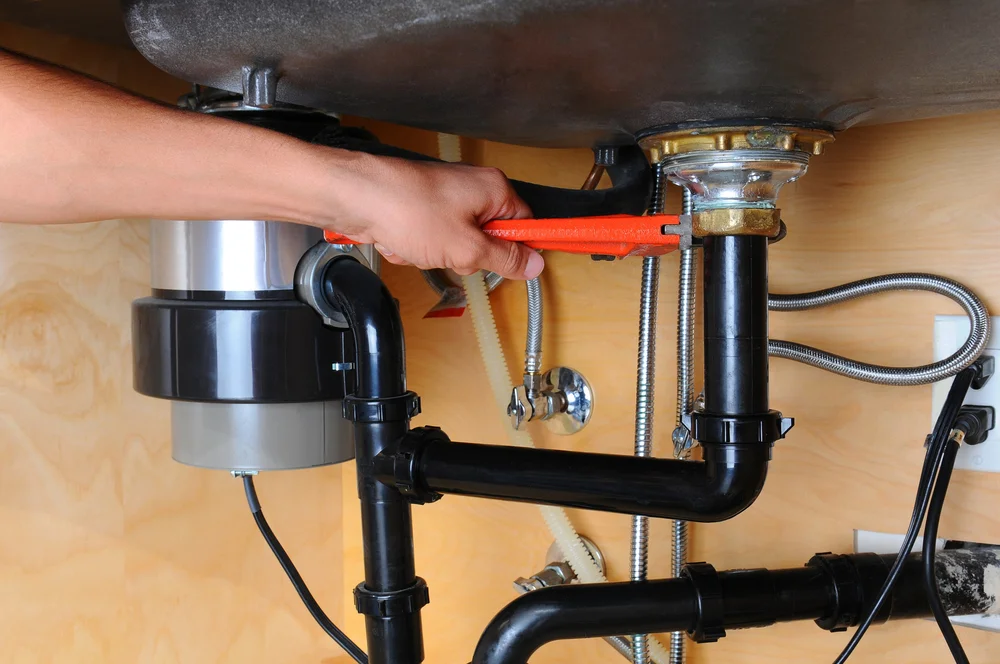
You flip the switch. Silence. No hum, no grind, just the eerie quiet of a dead appliance. This is actually the best-case scenario for garbage disposal repair.
When the unit is completely silent, it usually means the internal breaker tripped to protect the motor from overheating or an electrical surge.
Look under your sink. On the bottom of the disposal unit (the part facing the floor), you’ll see a small red button. That’s the reset button. If it’s popped out about a quarter of an inch, the unit has tripped. Press it back in. You should feel a distinct click. Now, go back up top and try the switch again.
If it turns on, you’re done. You just fixed it for zero dollars. If it immediately pops again, or if the disposal hums but doesn’t spin, something is jamming the blades, causing the motor to work too hard. That brings us to the next step: the manual crank.
Most disposals come with an offset wrench (it looks like a zig-zag-shaped Allen wrench). If you don’t have one, a standard ¼ inch Allen wrench works, too. There’s a hole in the very center of the bottom of the disposal. Insert the wrench there and crank it back and forth. This manually turns the impellers inside the chamber and can dislodge whatever is stuck, which is usually a rogue piece of bone or a fruit pit.
The Hum of Death
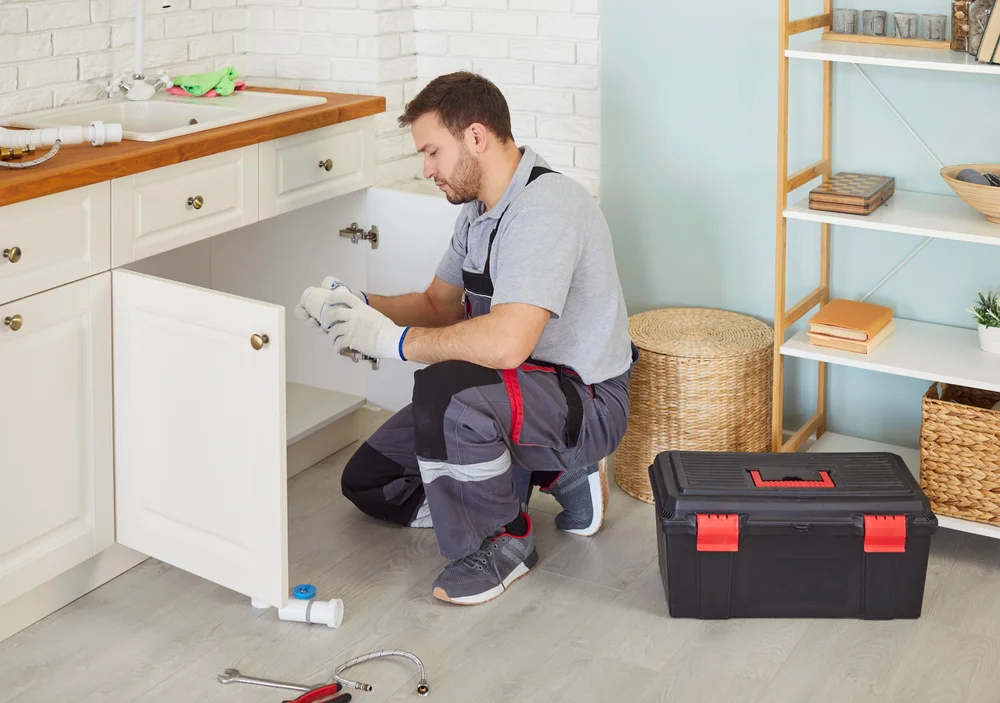
A humming disposal that doesn’t spin is a disposal that is trying its best, but failing. The motor is getting power, but the flywheel is stuck. If you leave it humming for too long, you will burn out the motor, and then you reallywill need to repair garbage disposal units by replacing them entirely.
Turn the power off immediately. Go to your breaker box or unplug the unit under the sink. Never stick your hand down the drain while the power is connected. We like your fingers where they are.
Once the power is cut, grab a flashlight and look down the sink drain. You might see the culprit wedged against the side. Tongs or pliers are your friends here. Fish out the object. If you can’t see anything, use the Allen wrench method mentioned above to wiggle the flywheel back and forth from the bottom.
Sometimes the jam isn’t a foreign object but rust or debris buildup. Once you get the flywheel moving freely with the wrench, restore power and press the reset button if it tripped. Run cold water and flip the switch. The centrifugal force and water should flush out the remaining debris.
Why Is It Leaking Everywhere?
Leaks are tricky because water travels, so you might see a puddle on the cabinet floor and assume the disposal is cracked, but it could really be a loose connection.
Check the flange first (the metal ring where the disposal meets the sink drain). If the plumber’s putty has dried out or the mounting bolts have loosened, water will seep through every time you run the tap. Tightening the mounting bolts often stops this. If not, you may need to detach the unit, apply fresh putty, and re-mount it.
Next, look at the dishwasher connection; there’s a rubber hose connecting your dishwasher to the disposal. If the clamp is loose or the hose is cracked, you’ll get water spraying around the cabinet during a wash cycle. A screwdriver or a quick trip to the hardware store for a new hose usually solves this.
Last but not least, check the discharge pipe. This is the pipe sending water from the disposal to the main drain. The gasket inside this connection can wear out. It’s a two-dollar part that causes a hundred-dollar headache. If the water is dripping from the bottom of the actual disposal unit housing, however, the internal seals are shot. In that case, repair isn’t an option; you need a replacement.
What You Should Never Put Down There
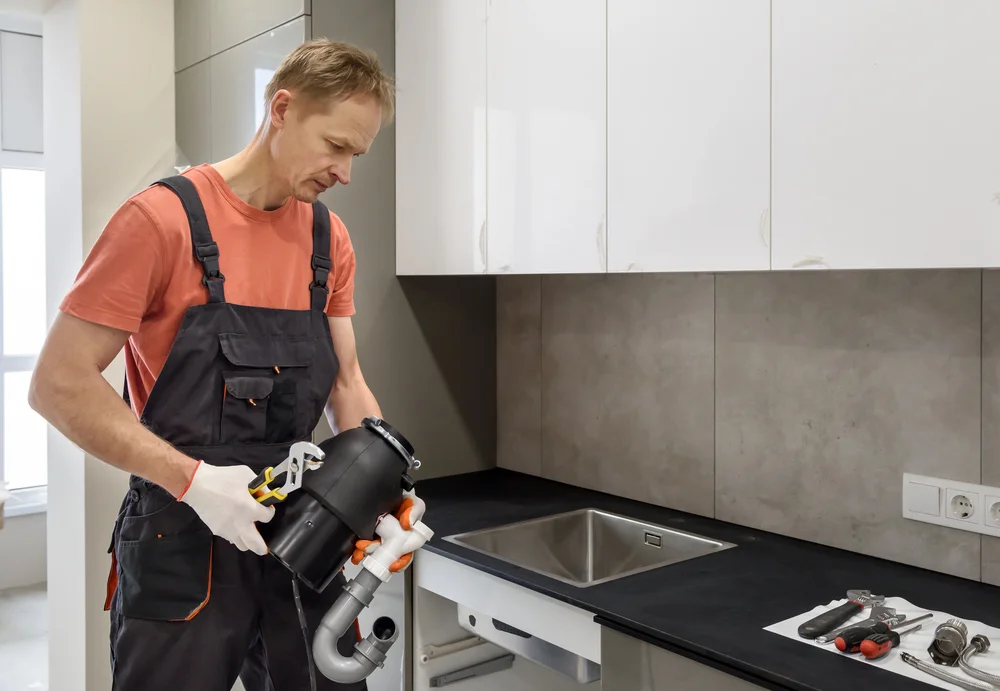
You can avoid a high garbage disposal repair cost by treating the appliance with a little respect. It’s not a trash can, and is actually designed for small, soft food scraps.
Coffee grounds are deceptive because they go down easily but accumulate like sediment in the pipes, creating a dense, sludge-like clog further down the line. Eggshells are another problem, as the membrane inside the shell can wrap around the shredder ring, while the ground-up shells turn into a sandy grit that settles in pipes.
Fibrous vegetables are essentially rope. Celery, corn husks, and onion skins don’t shred well; they tangle. They wrap around the impeller blades and strain the motor until it overheats.
Pasta and rice expand. If you dump a whole pot of leftover spaghetti down there, it swells with water in the trap and creates a plug.
And obviously, you need to avoid pouring grease or oil down the drain. It goes down as a liquid, cools into a solid, and binds everything else together into a massive blockage.
The takeaway is this: you need to toss the bulk of your food waste in the trash or compost bin, and let the disposal handle the small remnants from rinsing the plate.
When to Call a Pro for Garbage Disposal Repair
Sometimes you try the wrench, the reset button, and the flashlight, and the thing still won’t work. Or worse, it’s making a metal-on-metal screeching sound that suggests internal components are grinding themselves to dust.
If the unit is old (over 10 years), severe noise or frequent jamming usually signals the end of its life. Motors lose torque over time. A weak motor jams on things it used to chew through easily.
If you aren’t comfortable with plumbing or electricity, calling a professional is safer than flooding your kitchen. A plumber for garbage disposal repair can quickly diagnose if it’s a simple electrical fix or if the unit needs swapping out. They also make sure all your connections are watertight, saving your cabinets from mold and water damage later.
Norman Appliance Repair handles these issues daily. Whether it’s a stubborn jam, a mysterious leak, or a dead motor, getting expert help will help you make sure the job is done right the first time.