-
Phone: (405) 360-4477
-
Address: 3334 West Main #246 , Norman, OK 73072
-
Phone: (405) 360-4477
-
Address: 3334 West Main #246 , Norman, OK 73072
Dryer Not Heating? Why it Struggles in Colder Weather
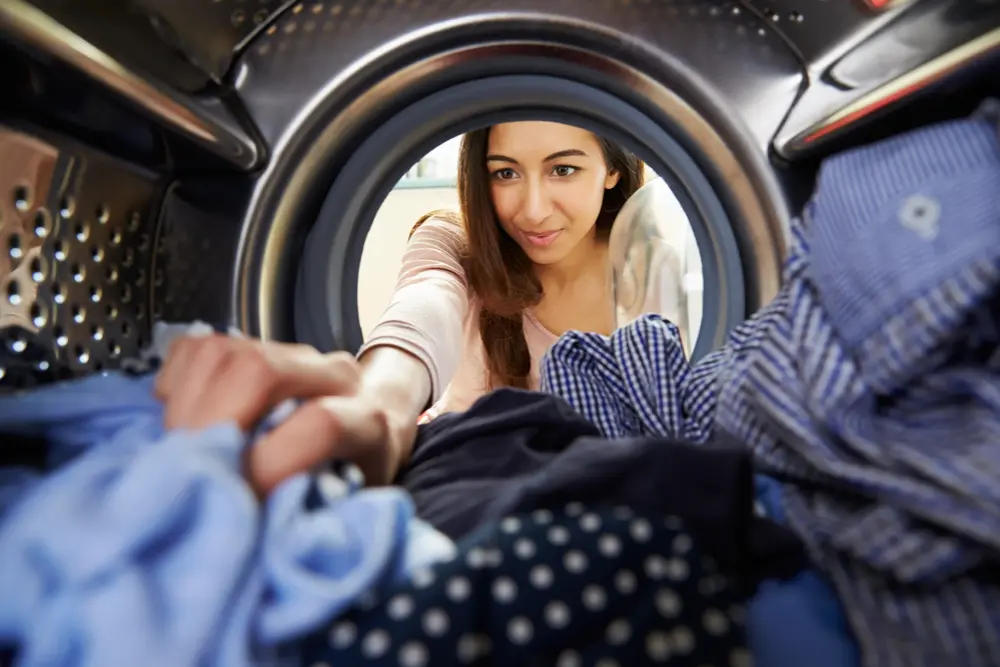
You’ve just pulled a load of laundry from the washer, ready to toss it in the dryer. You set the timer, press start, and walk away, expecting warm, fluffy clothes in about an hour. But when you come back, you’re met with a pile of damp, cold fabric.
What gives? If you’ve noticed your dryer not heating as effectively now that the temperature has dropped, you’re not just imagining it. Colder weather can genuinely impact your dryer’s performance.
Before you resign yourself to a life of stiff, air-dried towels, let’s explore why your dryer struggles when it’s chilly outside. We’ll look at the common culprits, from simple venting issues to more complex mechanical problems, and help you figure out what’s going on inside that big metal box.
How Your Dryer Actually Works
First, let’s get a basic idea of what your dryer does. It’s a pretty simple concept, really: your dryer pulls in room-temperature air, heats it using an electric heating element or a gas burner, and then tumbles your clothes through that hot air. A blower motor then pushes the now-hot, moisture-filled air out of the dryer drum and through an exhaust vent to the outside of your home.
This continuous cycle of heating air, tumbling clothes, and expelling moist air is what gets your laundry dry, with the efficiency of this entire process depending on a delicate balance of airflow and heat. When one of these elements is compromised, unfortunately, your dryer’s performance takes a nosedive.
The Cold Weather Connection
So, where does cold weather fit into this picture? Your dryer needs a steady supply of air to heat. Most dryers are installed in garages, basements, or laundry rooms that aren’t as well-insulated as the main living areas of your home. So when the outside temperature plummets, the air in these spaces gets significantly colder.
Think about it this way: if your dryer is in a garage that’s 40°F, it has to work much harder to raise the air temperature to the 125-135°F needed to dry your clothes effectively.
This is a huge difference compared to a summer day when the ambient air might already be 80°F. Your dryer’s heating element has to put in overtime, which can lead to longer drying times and, in some cases, can strain components to the point of failure.
The Role of Your Dryer Vent
The most common culprit behind a dryer not heating properly in winter is the exhaust vent. This is the duct that carries the hot, moist air from your dryer to the outdoors, so proper ventilation is incredibly important.
Blockages from Lint and Debris
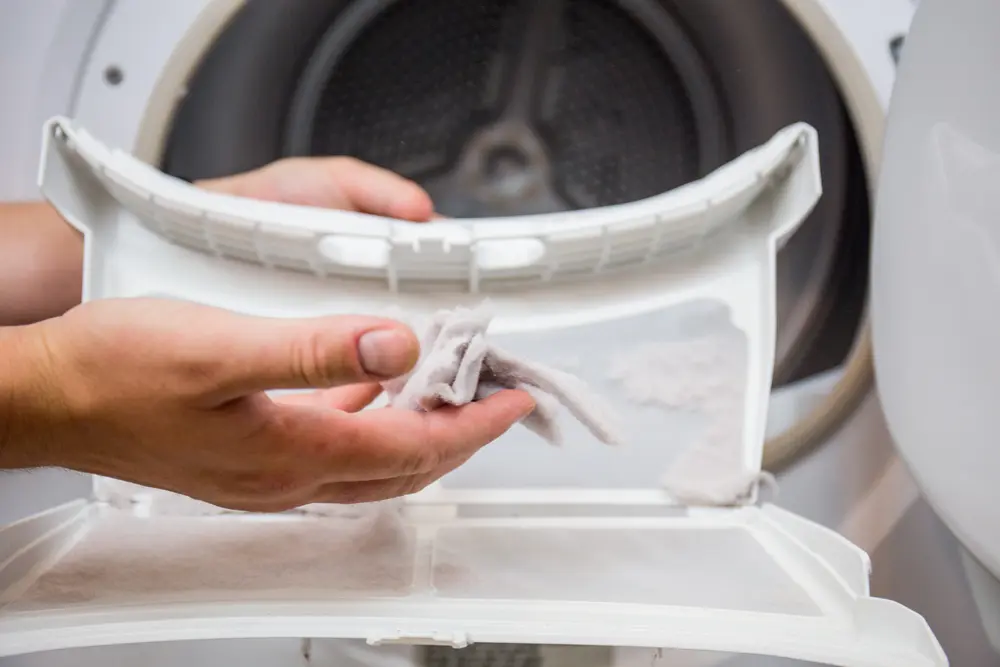
You clean the lint trap after every load, right? That’s a great first step, but it only catches about 25% of the lint your clothes produce. The rest travels into your dryer’s vent system. Over time, this lint can build up and create a serious blockage.
In colder weather, this problem can get worse. The cold air outside meets the warm, moist air exiting your vent, causing condensation. This moisture can cause the lint to clump together, creating a thick, heavy paste that’s even more difficult to clear.
When the vent is clogged, the hot air has nowhere to go. It gets trapped in the dryer drum, increasing the internal temperature.
Your dryer is equipped with safety features, like a high-limit thermostat, to prevent overheating. If this thermostat detects that the temperature is dangerously high, it will shut off the heating element to prevent a fire. The drum will keep spinning, but no heat will be produced. This is why you might find that your dryer runs, but the clothes are still wet at the end of the cycle.
If lint is the culprit, you need to address it immediately, as it’s a major fire hazard. The U.S. Fire Administration reports that nearly 3,000 home fires are caused by dryers each year, with failure to clean being the leading contributing factor.
Frozen Vent Flaps
Your exterior vent flap is the little cover on the outside of your house where the dryer air exits. Its job is to keep cold air, rain, and pests out when the dryer isn’t running.
The same condensation that causes lint to clump can also freeze this flap shut. If the flap is frozen, air can’t escape, leading to the same overheating problem as a clogged vent.
Common Mechanical Failures
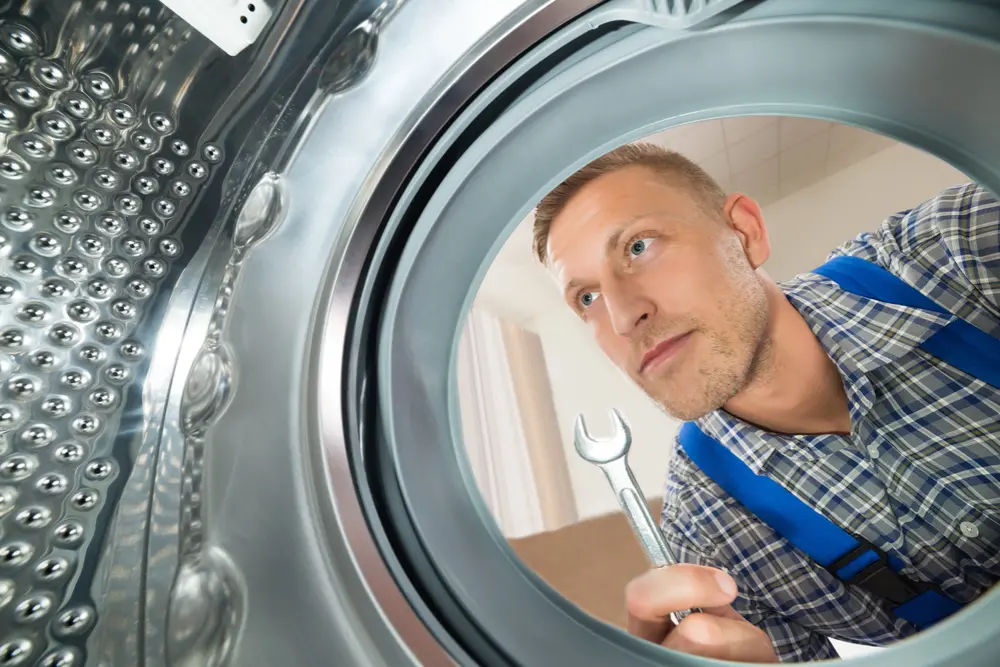
If you’ve checked your vent and everything seems clear, the problem might be a bit more technical. The extra strain of operating in cold weather can sometimes be the final straw for an aging component like one of these:
The Thermal Fuse
The thermal fuse is another one of your dryer’s safety devices. It’s a small, simple part designed to blow if the dryer overheats. A clogged vent is, again, a common reason for a thermal fuse to blow.
When it does, it cuts power to the heating element or, in some cases, the entire dryer. This is a one-and-done part; once it blows, it must be replaced. A blown thermal fuse is a symptom of an underlying problem, usually poor airflow, so it’s important to fix the root cause before you pay to replace it.
The Heating Element
This is the component that actually generates the heat. In an electric dryer, it’s a coil of wire that glows red-hot, much like the element in a toaster. In a gas dryer, it’s a gas burner assembly. These parts can burn out over time.
While cold weather doesn’t directly cause them to fail, the increased workload of heating frigid air can accelerate their demise. If the heating element is broken, the dryer will run, but it will only blow cool air.
The Thermostats
Your dryer has several thermostats that regulate the temperature. The cycling thermostat turns the heating element on and off to maintain the correct temperature inside the drum.
The high-limit thermostat, as we mentioned, is a safety device that shuts off the heat if the dryer gets too hot. If either of these thermostats fails, it can prevent the heating element from ever turning on.
What You Can Do
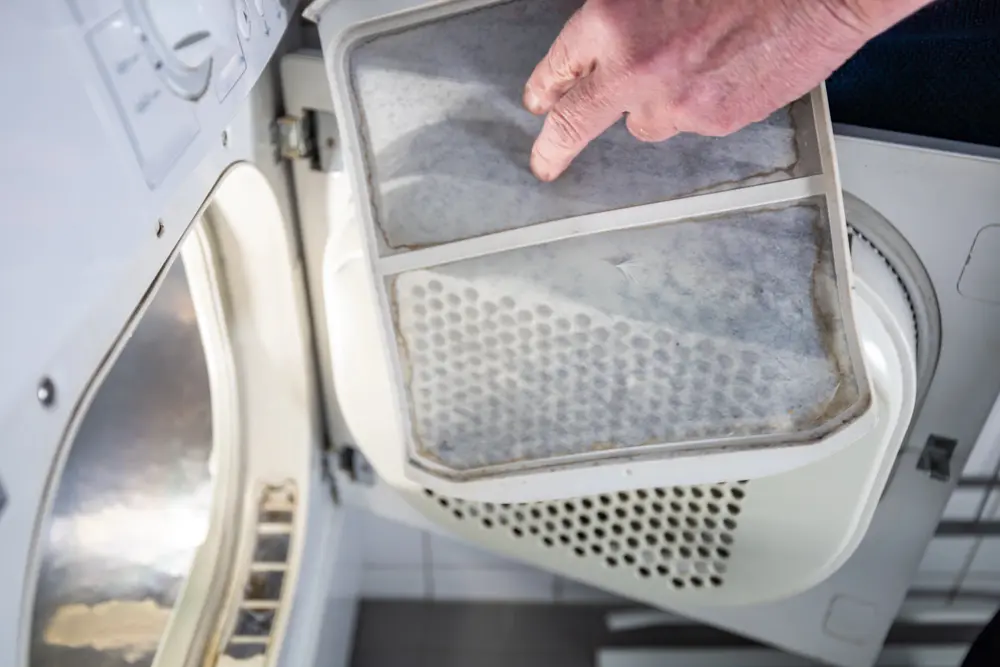
When you find your dryer not heating, a little DIY troubleshooting can go a long way. Start with the simplest and most common issue: the vent. Make sure the lint trap is completely clean, inspect the vent hose, and examine the exterior vent for any blockages.
If you’ve done all this and your dryer is still blowing cold air, the problem likely lies with an internal component. While it might be tempting to open up the machine yourself, dealing with the electrical systems and components of an appliance can be complex and dangerous without the right training and tools.
That’s where professional help comes in. Don’t let a cold dryer leave you out in the cold. If your laundry routine has hit a snag, it’s time to call in the experts.
For reliable and professional appliance repair in the Norman area, you can count on us. Contact Norman Appliance Repair today, and let our expert technicians get things running warmly again!